Gamble With Your Friends Co-op Roles: Scout, Executor, Items, Clock
One shared bank means one clear spending authority—everyone else feeds information, not competing all-ins.
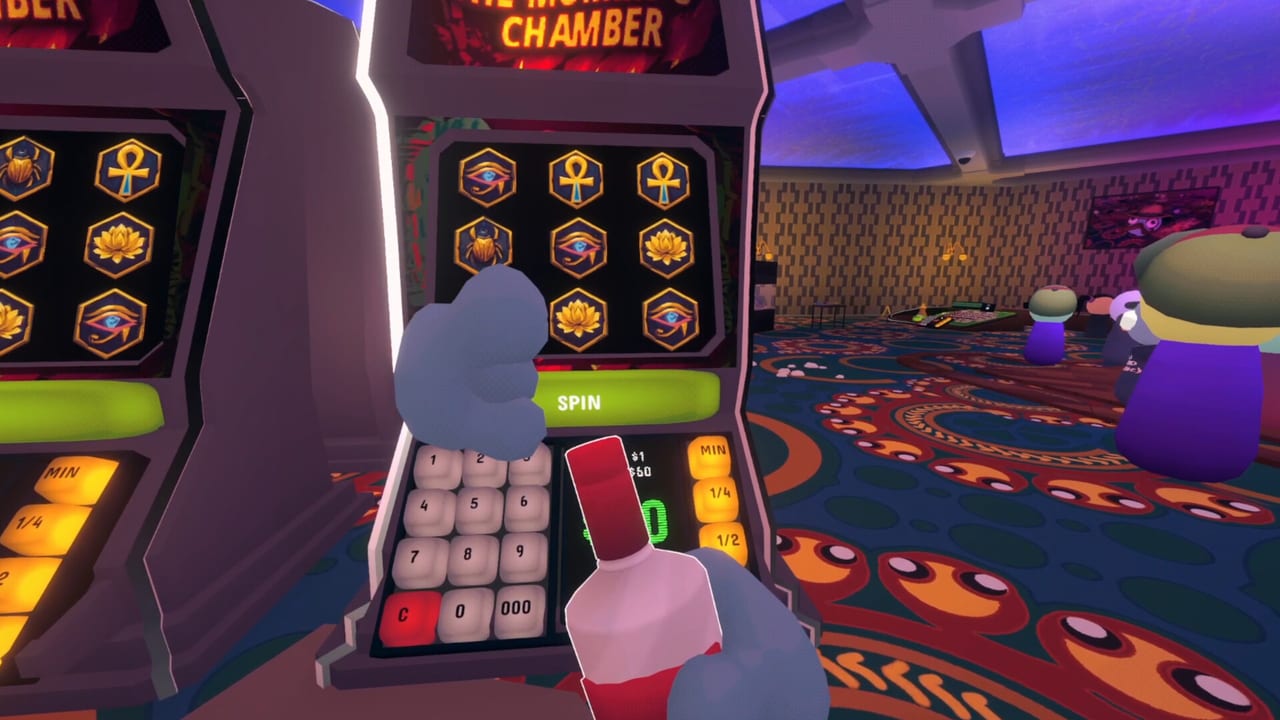
Gamble With Your Friends drops up to six Steam friends into a casino crawler with one wallet and one debt. Without structure, the loudest voice spends the bank while someone else is still reading the table. This guide is a communication system, not a roster of official classes. Assign four jobs—Scout (Rules Reader), Bet Executor, Item Handler, and Clock (Exit) Keeper—then run a short handoff before every serious wager.
If you are learning alone first, skim the solo guide and come back when the lobby fills. For what the Item Handler should buy, keep the items tier list open. Configure timer length and difficulty on the Empty Slot cogwheel before New Game—see save settings.
Role 1 — Scout / Rules Reader
The Scout stares at the active game before anyone names a stake. Report, in one breath when the clock is tight:
- Table name and what a win looks like
- Visible min / max bet
- Input or timing pressure
- Failure cost (lose the wager, partial, or special rule)
- Honest uncertainty (“I do not know this variant”)
A good call sounds like: “High max, full wager on fail, under a minute left—recommend a small test, not an all-in.” The Scout is not the all-in button. Separating observation from execution catches bad assumptions before tickets leave the shared account.
Role 2 — Bet Executor
Exactly one player places serious wagers. They repeat the amount aloud—“placing ten”—so anyone can veto before confirm. The Executor does not have to be the best mini-game mechanic; a specialist can mash inputs while the Executor owns the spending decision. Calm and stoppable beats flashy and tilted.
Without a single Executor, three keypads click at once and the Bank evaporates before the Clock Keeper finishes a sentence.
Role 3 — Item Handler
Tickets buy temporary tools at the trailer. Buying is not the same as carrying—someone must pick the item up in the lobby and announce item in hand. The Handler states:
- Which item is live
- What the tooltip says it does
- Which event should trigger it (after Taser, during statue window, etc.)
Signature plans from the tier list: Taser then Golden Chip for a free max all-in; Holy Statue only when the party can stack on a fast table and stop when protection ends. Do not discover mid-elevator that nobody grabbed the Chip.
Role 4 — Clock / Exit Keeper
The Clock Keeper tracks quota progress, remaining day timer (default five minutes unless your save rules changed it), bank floor, and the team’s stop condition. They issue explicit go or abort. Abort is a success when it protects enough money to clear quota.
They also manage social failure: pause arguments, reassign AFK jobs, and call a reset after two bad serious bets so tilt does not become a third.
Handoff script (every serious wager)
- Scout reports facts and unknowns.
- Executor proposes an exact amount.
- Item Handler confirms ready / not ready.
- Clock Keeper says go or abort.
- Executor places the wager.
- Quick review—did the item matter?—then move or stop.
Alternate naming some lobbies prefer: Caller (table + size), Banker (ceilings + quota), Item Lead, with everyone else as executors under those three. Same idea: fewer independent spenders.
Stop-loss rules worth saying out loud
- Never risk more than half the shared bank on one unprotected table.
- After two consecutive failed serious bets, require a full Scout report.
- If nobody can explain the table, keep the money and walk.
- Hold one recovery item (Time Machine, Insurance, Angel’s Reel) for a quota-critical wager.
- When quota is already safe, label the next bet optional and get unanimous consent.
Scaling by party size
Two players: Scout+Clock vs Executor+Items. Swap Executor if a table needs a specialist.
Three players: Scout, Executor, combined Item+Clock with veto before activation.
Four players: Clean 1:1 role map—best teaching lobby.
Five or six: Keep one Executor, one Clock, one Item Handler. Extra players become second Scouts or input specialists. More voices add information; they must not add independent bettors.
Solo: Collapse all four into a spoken checklist—see solo guide. Saying the Scout report aloud still stops impulse spends.
Common failures and fixes
Loudest player takes over. Name them Executor or Scout, then give Clock and Items an explicit veto.
Duplicate trailer buys. Only the Item Handler purchases; Clock keeps a one-line inventory note.
“Trust me.” Demand rule, amount, and failure condition. Confidence is not evidence.
AFK mid-day. Freeze serious wagers and reassign the missing job before the next keypad.
Win then immediately double down. Clock must say whether the next bet is required for quota or optional ego.
Voice shorthand
Proximity chat rewards short calls: Hot/Cold for tables, Quota Met to freeze, Item Found after pickup, All-In only after Treasurer/Executor approval. Stand near the people who need the call.
Related pages
Back to the players hub, practice with the solo guide, shop from the items tier list, tune the day on tools, and track patches on updates.
Frequently Asked Questions
Quick answers to the most common questions.
Are Scout, Executor, Handler, and Clock official classes?
No. They are recommended communication jobs built around the shared bank. The game does not unlock formal roles.
Why only one Bet Executor?
Because the bank is shared. One visible amount and one veto window stop three people from spending the same money at once.
Should the best mini-game player always execute bets?
Not automatically. Let a specialist perform inputs while the Executor controls stake size and when to stop.
How do six-player lobbies stay sane?
Keep one Executor, one Clock Keeper, and one Item Handler. Extra players scout or specialize—do not add more independent spenders.
What does the Clock Keeper do when the team is winning?
They declare whether the next wager is required for quota or optional. Protecting a cleared quota is a real co-op win.
Where should items be picked up?
In the lobby after trailer purchase, before the elevator. Announce item in hand so the casino day does not start empty-handed.